 11
11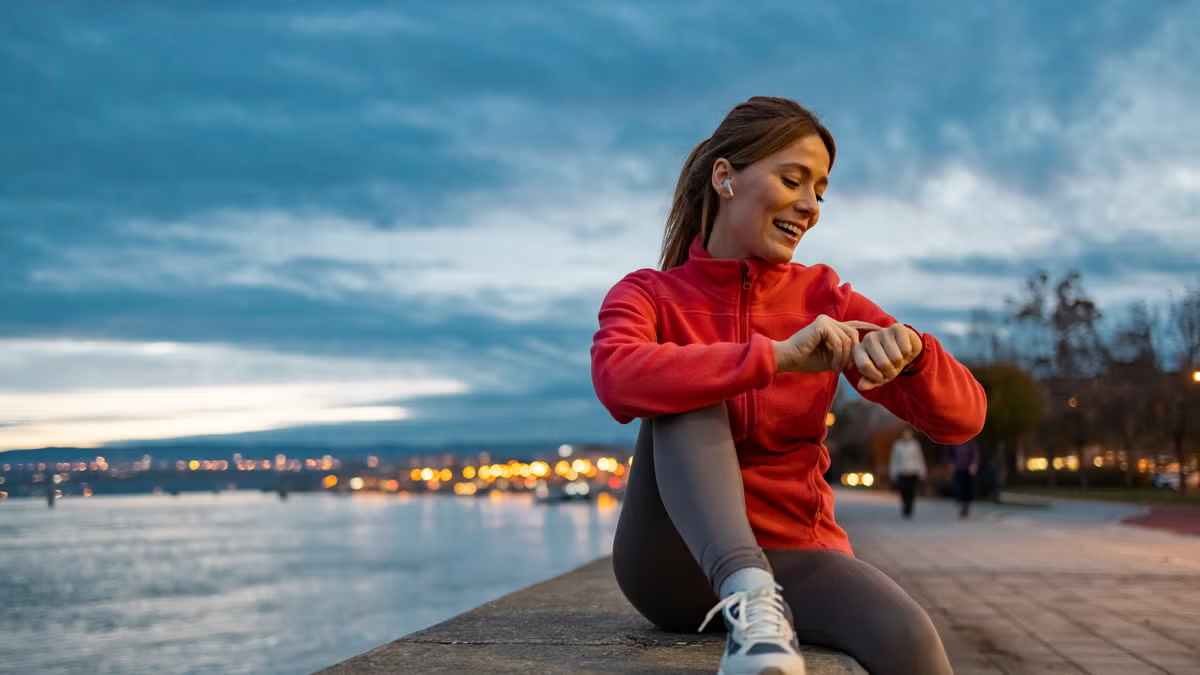
I still laugh when I think about my 2023 self, glued to my smartwatch at 2 a.m., stressing because my sleep score dipped below 85. That little device had me convinced one bad night meant I was doomed. Fast-forward to early 2026, and something feels different—almost rebellious. Wellness isn’t about hacking your body into perfection anymore. It’s shifting toward something softer, smarter, and way more human. I’ve spent the last decade following these shifts as a wellness coach who’s worked with everyone from burnt-out executives in Lahore to overachieving moms in Europe. What I’m seeing now excites me because it finally feels sustainable.
The numbers back it up too. The global wellness economy sits at a whopping $6.8 trillion, but experts at the Global Wellness Summit say 2026 marks a year of corrections. We’re moving past the hyper-optimized, data-obsessed era into one that values joy, nervous-system safety, and real-life resilience. If you’ve felt exhausted by endless tracking or generic advice, you’re not alone. This year’s trends speak directly to that fatigue while offering fresh, practical ways to feel better.
Why 2026 Marks a Major Shift in Wellness
The wellness world spent years chasing metrics—steps, glucose levels, biological age. But many of us hit a wall where the pursuit itself became the problem. In 2026, the focus flips to regulation over results and feeling alive over hitting targets. It’s a backlash born from real exhaustion, and it’s reshaping everything from apps to retreats.
This change isn’t random. It comes after years of pandemic stress, climate anxiety, and digital overload. People crave connection and calm more than another gadget promising optimization. And the industry is listening—finally.
The Over-Optimization Backlash: Pushing Back on Peak Wellness
We turned health into a performance sport, complete with scores and leaderboards. Now the pendulum swings hard the other way. Wellness in 2026 prioritizes emotional repair, nervous-system safety, and simple pleasure instead of constant self-surveillance.
I saw this shift firsthand with a client in her late thirties who ditched her continuous glucose monitor after it triggered daily anxiety. She swapped tracking for evening walks without her phone and reported feeling lighter within weeks. That story repeats across gyms and clinics everywhere this year.
How the Backlash Shows Up in Daily Life
Daily routines look less clinical and more intuitive. Think low-stimulation evenings, pleasure-forward meals, and “regulation-focused” wearables that calm rather than critique. Scream circles and somatic dance classes are popping up on TikTok and in local studios, offering cathartic release without judgment.
The humor in all this? We spent years optimizing joy out of life only to realize joy was the missing metric all along. Light-hearted experiments with “fragrance layering” or unstructured play prove you don’t need a perfect routine to feel good.
Pros and Cons of Ditching the Optimization Obsession
The pros win long-term because they build habits that actually stick.
The Rise of Neurowellness: Regulating the Nervous System as the New Frontier
Chronic fight-or-flight mode from endless notifications and uncertainty quietly wrecked our sleep, hormones, and immunity. Neurowellness steps in as the upstream fix, using neuroscience, somatic practices, and gentle tech to build nervous-system flexibility before problems escalate.
This isn’t woo-woo—it’s practical medicine. Devices like vagus-nerve stimulators and neurofeedback headbands now sit beside your regular supplements. Spas and offices integrate sensory design for calm defaults. I tried a simple breathwork protocol last month and noticed my usual afternoon fog lift within days.
What Neurowellness Looks Like in Practice
You’ll see it in everything from corporate wellness programs to home setups. Soft-care options like yoga or touch therapy get reframed as nervous-system medicine. Hard-care tech personalizes it with AI that suggests regulation tools based on your real-time state.
The best part? It works for busy parents and high-performers alike. No more waiting until burnout hits.
Women Get Their Own Lane in Longevity: Finally Addressing Female Biology
For too long, longevity protocols were built on male data and simply “scaled down” for women. Research now shows ovaries act as command central for female aging, and their decline accelerates everything from immunity to bone health. In 2026, the market pivots hard toward women’s unique healthspan needs across every life stage.
Clinics, gyms, and wearables now offer ovary-focused testing, strength protocols tailored for hormonal shifts, and hormone therapy integrated thoughtfully into longevity plans. My sister, navigating perimenopause, finally found a program that addressed her energy crashes instead of just pushing more protein.
How Women’s Longevity Trends Differ from the Old Model
| Aspect | Old Male-Centric Model | 2026 Women-Focused Approach |
|---|---|---|
| Data Source | Primarily male studies | Female-specific ovarian research |
| Key Focus | Muscle & testosterone | Ovarian healthspan + systemic aging |
| Interventions | Generic HRT | Life-stage tailored protocols |
| Settings | Bro-culture gyms | Inclusive resorts & telehealth |
This table shows the sea change happening right now.
Women and Sports: The Revolution Continues
Women’s sports are exploding into a cultural and commercial powerhouse. New leagues, massive viewership, and female athletes launching their own brands prove strength training isn’t just for men anymore. It’s about capability, mental health, and longevity for women of all ages.
Local gyms in my city now run women-only lifting sessions that feel empowering rather than intimidating. The shift from lonely cardio to team sports and heavy lifting is rewriting what fitness means for half the population.
Ready Is the New Well: Disaster Preparedness as Preventative Wellness
Climate events and uncertainty make preparedness the ultimate self-care. Wellness now includes mental readiness, community plans, and practical survival skills alongside your usual workouts. Gyms double as shelters, and retreats teach resilience alongside yoga.
It feels heavy until you realize it’s empowering. One client built a simple home emergency kit and reported sleeping better knowing she had a plan. That peace of mind is pure wellness.
Tackling Microplastics as a Human Health Issue
Microplastics show up in our blood, brains, and placentas, linked to inflammation and hormone disruption. 2026 turns awareness into action with clinics offering reduction protocols, plastic-free product lines, and even testing as a new health marker.
Simple swaps like glass water bottles and natural-fiber clothing make a real difference. I switched my kitchen storage last year and feel better knowing I’m reducing daily exposure.
Skin Longevity Redefines Beauty
Anti-aging is out; skin longevity is in. Biotech meets holistic care to treat skin as a diagnostic organ and health marker. Regenerative treatments, diagnostics, and scalp-focused “hair longevity” protocols deliver visible results while supporting overall wellness.
Brands now combine active ingredients with nervous-system-friendly routines. My own skincare routine feels less like chasing youth and more like caring for the largest organ I have.
The Festivalization of Wellness: Healthy, Wild, Cathartic Gatherings
Sober raves, somatic dance parties, and immersive events blend movement, music, and connection for emotional release. These experiences combat isolation and digital fatigue with real human joy and belonging.
I attended a local wellness festival last month and left sweaty, laughing, and oddly restored. No trackers required—just presence.
Longevity Residences: Healthspan Comes Home
Wellness real estate evolves into homes designed for daily diagnostics, biohacking, and preventive care. AI tracking and preventive medicine integrate seamlessly so aging in place actually supports longer healthspans.
Luxury developments lead the way, but affordable tech will broaden access soon. Imagine your living room helping you age vibrantly instead of just comfortably.
Fragrance Layering: The New Art of Personalized Scent
Gen Z and millennials mix scents into personal “fragrance wardrobes” that express mood and identity. Ancient traditions meet modern workshops and AI systems that adjust aromas dynamically. It’s creative self-expression at its finest.
Try layering a citrus base with a woody note for your morning routine. It’s a tiny ritual that feels luxurious without complexity.
Comparison: 2025 Wellness vs. 2026 Wellness
| 2025 Focus | 2026 Focus |
|---|---|
| Data obsession | Nervous-system regulation |
| Individual optimization | Community and joy |
| Male-centric longevity | Women-specific healthspan |
| Anti-aging beauty | Skin longevity |
| Solo tracking | Festival-style connection |
The differences highlight how much more balanced the new year feels.
People Also Ask
What are the top wellness trends for 2026?
The Global Wellness Summit highlights neurowellness, women’s longevity, and the over-optimization backlash as leaders. Expect more focus on nervous-system health, joy, and gender-specific care.
How is wellness changing in 2026?
It moves from performance metrics to emotional repair, preparedness, and human connection while still embracing smart tech in gentler ways.
What is neurowellness and why does it matter?
It’s the practice of regulating your nervous system through somatic work, breath, and targeted tech to prevent burnout and inflammation before they start.
Where can I find women-focused longevity programs?
Look for specialized clinics, telehealth platforms, and resorts now tailoring protocols to ovarian and hormonal health.
Are microplastics really a wellness concern in 2026?
Yes—clinics now treat them as a measurable health factor with practical reduction strategies becoming mainstream.
Best Tools and Resources for 2026 Wellness Trends
Start small—pick one trend that resonates and build from there.
FAQ
Will I need expensive tech to follow 2026 trends?
Not at all. Many shifts, like fragrance layering or somatic practices, rely on low-cost or free tools. Tech is optional and gentler when used.
How do I start with nervous-system regulation?
Begin with 5-minute breathwork daily or a short somatic movement video. Consistency beats intensity every time.
Are these trends just for wealthy people?
No—community events, home swaps, and accessible testing make them reachable. Longevity residences may start luxury, but the principles scale down.
Can men benefit from women-focused longevity research?
Absolutely. The new female-specific data improves overall protocols and highlights where one-size-fits-all approaches failed everyone.
What if I feel overwhelmed by all the changes?
That’s normal. Pick one area—maybe ditching one tracker—and notice how it frees mental space. Progress compounds quietly.
Wellness in 2026 finally feels like it’s for actual humans instead of optimized robots. It invites you to regulate, connect, prepare, and enjoy without the pressure of perfection. I’ve watched clients trade exhaustion for genuine vitality this year, and the difference is palpable. You don’t need another perfect routine. You just need approaches that respect your nervous system, your biology, and your need for joy. Start where you are, lean into what feels good, and watch how different—and how much better—wellness can feel. The future isn’t about doing more. It’s about feeling more like yourself again.